In season
in Ontario
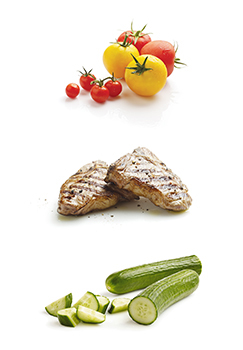
Get Ontario fruits and vegetables at their peak of freshness.
See what's in season
Why buy local?
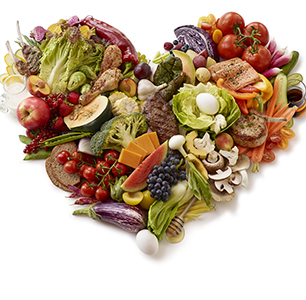
Ontario food is good for you and good for Ontario.

Recently on TV
View recipes recently featured on TV.
This website will look different because you are using an older browser. Learn more about browsers
This website will look different because you are using an older browser. Learn more about browsers
Discover why buying Ontario food is good for you and your family, local communities and the environment.
Get Ontario fruits and vegetables at their peak of freshness.
See what's in season
Ontario food is good for you and good for Ontario.
View recipes recently featured on TV.